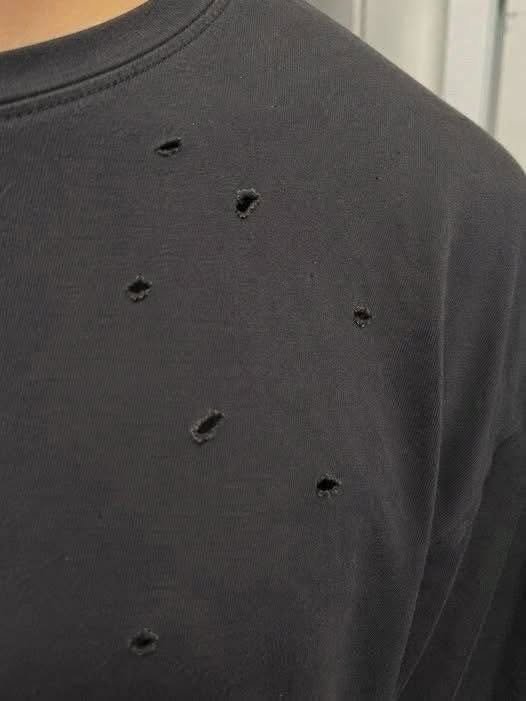
Why Tiny Holes Keep Appearing in Your Clothes — And How to Prevent Them
Tiny holes in clothing often seem to appear out of nowhere. One day your favorite T-shirt looks perfectly fine, and the next, small tears have formed near the waistline or around the seams. Many people immediately blame poor-quality fabric, moths, or a malfunctioning washing machine. However, the real cause is often much simpler: repeated friction and fabric stress during everyday laundry routines.
One of the biggest culprits can be the washing machine itself. In top-loading machines, the central agitator can twist and pull lightweight fabrics during wash cycles. Over time, this constant movement may weaken fibers and create tiny tears that eventually become visible holes. Even front-loading machines can contribute to wear when clothes repeatedly rub against one another.
Another common source of damage is metal hardware. Open zippers, jean buttons, belt buckles, bra hooks, and decorative fasteners can scrape delicate fabrics during washing and drying. Cotton T-shirts, sleepwear, athletic clothing, and lightweight knits are especially vulnerable. What starts as minor friction can eventually turn into noticeable holes after repeated wash cycles.
The location of the holes can also provide an important clue. If you frequently find small holes around the lower front of your T-shirts, friction may be occurring between the fabric and your jeans, belt, or another rough surface. A shirt rubbing against a countertop, desk edge, handbag, or seat belt throughout the day can experience hundreds of tiny points of stress before the damage becomes visible.
Laundry baskets and hampers can also play a role. Clothes tossed into a crowded hamper may become tangled with zippers, hooks, or other rough materials. When everything is eventually transferred to the washing machine, those items can continue rubbing together. Over time, repeated mechanical stress can weaken already-thin areas of fabric.
Dryers may accelerate the problem as well. High temperatures can weaken some fibers, while tumbling creates additional friction. Clothes that are already slightly damaged may develop larger holes during a drying cycle. For delicate garments, using a lower temperature or air-drying when appropriate can reduce unnecessary stress.
There are also cases where insects really are responsible. Clothes moth larvae, for example, can damage natural fibers such as wool, silk, and other animal-based materials. If holes appear primarily in stored garments, especially woolens, or you notice webbing or larvae around clothing storage areas, an insect problem becomes more plausible. Synthetic fabrics are generally less attractive to clothes moths than natural animal fibers.
The quality and age of the fabric matter too. Thin, inexpensive, heavily worn, or frequently washed garments naturally become more vulnerable to tearing. Areas that experience repeated stretching—such as collars, cuffs, underarms, and seams—can eventually become weak even when the garment has been cared for properly.
Fortunately, a few simple laundry habits can help extend the life of your clothes. Close zippers before washing, fasten hooks, turn delicate garments inside out, and separate rough or heavy items from lightweight clothing. Using a mesh laundry bag for bras, thin shirts, and other delicate pieces can provide another layer of protection.
Choosing the correct washing cycle is equally important. Delicate fabrics generally benefit from gentler cycles, cooler water, and reduced mechanical agitation. Avoid overloading the machine, because tightly packed clothing has less room to move and may experience more rubbing and twisting.
It is also worth checking your washing machine if holes continue appearing despite changing your laundry habits. A damaged drum, rough edge, loose component, or foreign object caught inside the machine can occasionally snag clothing. Running your hand carefully over accessible surfaces—when the machine is switched off—may help identify an obvious rough spot.
Most importantly, don’t assume that every tiny hole means your clothes are defective. In many cases, the damage is the result of small amounts of friction repeated hundreds of times. By reducing contact with rough hardware, washing delicate clothing more gently, and paying attention to where the holes appear, you can often identify the cause and prevent your favorite clothes from disappearing one tiny tear at a time.