Why Wearing Socks at Home Can Be Beneficial for Older Adults
Wearing socks at home may seem like a small, everyday habit, but for older adults, it can offer several benefits for comfort, warmth, sleep, and foot protection. As people age, their skin may become thinner, their sensitivity to temperature can change, and certain health conditions may make foot care increasingly important.
Although socks are not a treatment for circulation problems, choosing the right pair can make daily life more comfortable and help protect the feet from common household hazards.
1. Keeping Feet Warm and Comfortable
Older adults may find that their feet feel colder than they did when they were younger. Changes in temperature regulation, reduced activity, and certain medical conditions can contribute to this discomfort.
Wearing comfortable socks helps retain body heat and keeps the feet warm, especially during colder months or in homes with tile and hardwood floors.
Materials such as soft cotton, merino wool, and suitable moisture-wicking fabrics can provide warmth while helping manage moisture. The best choice depends on the temperature, personal comfort, and whether the feet tend to sweat.
However, persistently cold feet can sometimes indicate an underlying health problem, including poor circulation or thyroid disease. If coldness is accompanied by pain, numbness, unusual skin color, or wounds that heal slowly, a medical evaluation is important.
2. Supporting Better Sleep
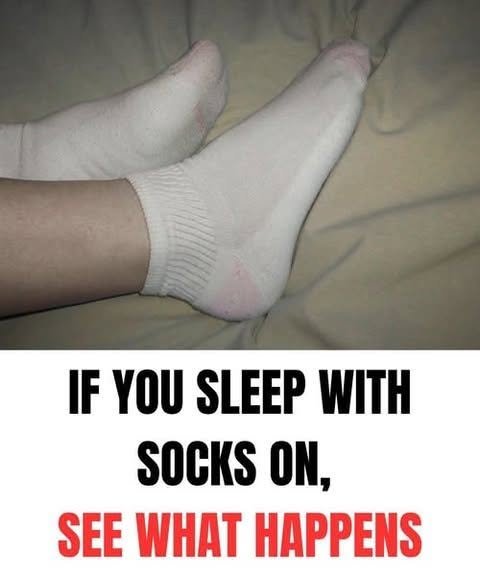
Warm feet may help some people fall asleep more comfortably. When the feet warm up, blood vessels near the skin can widen, allowing the body to release heat and supporting the natural process of lowering its core temperature before sleep.
For older adults who frequently experience cold feet at night, wearing a clean, loose-fitting pair of socks may make bedtime more comfortable.
Not everyone prefers sleeping with socks on, and they are not necessary for good sleep. The goal is to maintain a comfortable temperature without overheating.
3. Protecting Delicate Skin
As skin ages, it can become thinner, drier, and more vulnerable to irritation. Walking barefoot around the house may expose the feet to rough surfaces, small objects, accidental scratches, and friction.
A comfortable pair of socks provides a light protective layer between the skin and the surrounding environment. This can be particularly helpful for people who spend considerable time walking around their homes.
However, socks alone cannot prevent every injury. Older adults should regularly check their feet for redness, blisters, cuts, swelling, and other changes, especially if they have diabetes or reduced sensation.
4. Helping Maintain Foot Hygiene
Feet can accumulate sweat, dead skin cells, and dirt throughout the day. Clean socks help absorb moisture and reduce direct contact between the feet and footwear or household surfaces.
For better foot hygiene, change socks daily and more frequently if they become damp or sweaty. Wash them regularly and allow the feet to dry thoroughly, especially between the toes.
Moisture trapped against the skin can encourage fungal growth, so wearing fresh, breathable socks is preferable to keeping damp ones on for extended periods.
People who have persistently sweaty feet may benefit from moisture-wicking socks rather than thick cotton socks that remain wet.
5. Providing Comfort for Sensitive Feet
Some older adults experience discomfort from dry skin, pressure points, or sensitivity to rough fabrics. Soft socks with smooth seams can reduce rubbing and make walking around the home more comfortable.
For people with diabetes, neuropathy, or other conditions that affect sensation, properly fitted socks may help reduce friction and protect vulnerable skin.
Choose socks without tight elastic bands, thick seams, or wrinkles that create pressure points. If you have diabetes, significant foot swelling, or a history of foot ulcers, ask a healthcare professional about appropriate socks and footwear.
6. Choosing the Right Socks to Reduce Slipping
One important consideration is safety. Although ordinary socks can protect the skin, they may actually increase the risk of falling on smooth floors because they can slide across tile, polished wood, or laminate.
For older adults who are concerned about balance, non-slip socks with properly positioned grip patterns may offer better traction. However, they should not automatically replace supportive footwear, particularly for people with balance difficulties.
Well-fitting slippers or shoes with secure, nonslip soles are often a safer choice when walking around the house.
Avoid socks that bunch up, slide down, or have loose fabric that could catch beneath the feet.
7. Avoiding Socks That Are Too Tight
The right fit matters just as much as the material. Socks with restrictive elastic bands can leave deep marks, cause discomfort, and aggravate pressure problems.
For someone with leg swelling or circulation difficulties, tight socks may be particularly unsuitable. Medical compression socks are different from ordinary socks and should be selected according to individual medical needs.
If one foot suddenly becomes colder, paler, blue, painful, or numb, seek urgent medical attention rather than simply adding another layer of clothing.
Simple Tips for Healthy Feet at Home
A few daily habits can make foot care easier:
- Choose socks that fit comfortably without squeezing the toes or ankles.
- Keep feet clean and dry before putting on fresh socks.
- Change damp socks promptly.
- Inspect the feet regularly for cuts, blisters, swelling, or changes in color.
- Wear appropriate non-slip footwear when walking on smooth floors.
- Seek medical advice for persistent coldness, numbness, pain, or slow-healing wounds.
Final Thoughts
Wearing socks at home is a simple habit that can help older adults stay warm, feel more comfortable, protect delicate skin, and potentially improve sleep. The benefits depend on choosing suitable materials, maintaining good hygiene, and making sure the socks fit properly.
Still, socks are not a cure for poor circulation, and ordinary socks may not provide enough traction to prevent falls. Paying attention to foot health and choosing safe, comfortable footwear are equally important.
Sometimes, small daily habits make a meaningful difference in comfort and well-being. For older adults, caring for the feet is one simple way to support independence, mobility, and a more comfortable everyday life.