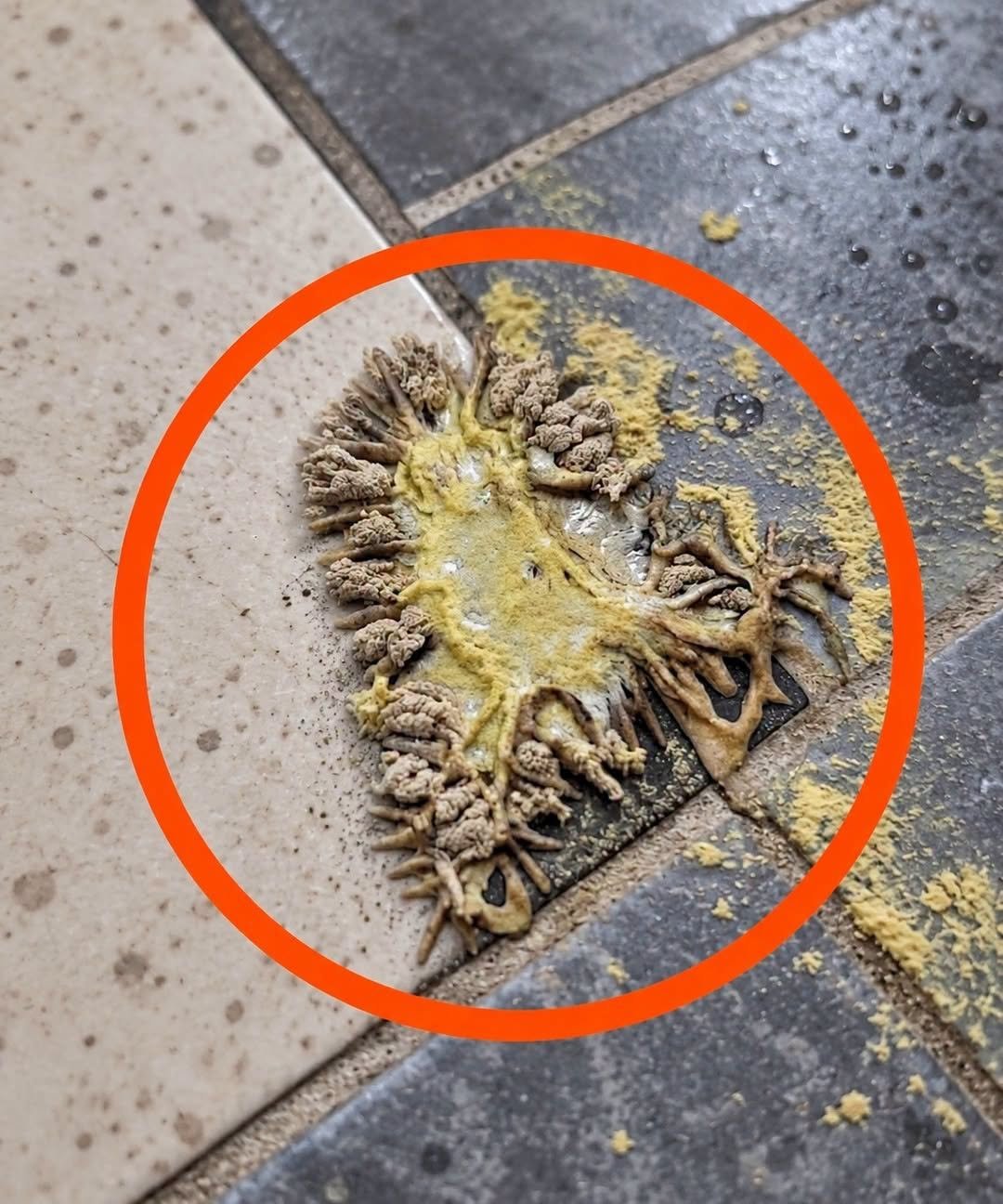
When Your Bathroom Starts Acting Strange, Don’t Ignore These Signs
The first sign is easy to dismiss—until it isn’t. A musty whiff, a strange drip, a toilet that “flushes itself” in the middle of the night. You tell yourself it’s nothing. Just old pipes. Just an old house. But each day, the smell sharpens, the stains spread, and the sounds grow harder to explain.
What feels eerie in a bathroom is often your home quietly asking for help. A damp, earthy odor can signal hidden mold feeding on moisture behind tiles or under the sink. Pink or orange slime in the tub or toilet is often associated with Serratia bacteria thriving on soap residue and humidity, but it can still be a reminder that the area needs better cleaning and ventilation. Metallic-smelling water or stubbornly foggy mirror patches may hint at aging plumbing, condensation, or moisture collecting where it shouldn’t.
Then there are the sounds. A toilet that seems to flush by itself may actually have a worn flapper or faulty fill valve allowing water to escape and triggering the tank to refill. A mysterious drip may come from a loose connection, a showerhead, condensation, or water traveling along a pipe before falling somewhere else. Even a bathroom door that slowly swings open or closed can have a simple explanation: an uneven floor, shifted hinges, or differences in air pressure.
The important thing is not to dismiss recurring clues simply because they seem harmless. Water damage often begins quietly. A tiny leak beneath a vanity can soak wood for months. Persistent condensation can encourage mold growth. A cracked seal around a tub or shower can allow water behind walls or beneath flooring, where damage may remain invisible until the problem becomes much larger.
Start with the basics. Check underneath sinks and around toilets for dampness. Look for peeling paint, swollen cabinetry, discolored grout, soft flooring, or stains that keep returning after cleaning. Listen for toilets that periodically refill when nobody has used them. Make sure exhaust fans actually move moisture out of the room, and consider using a dehumidifier if the bathroom remains excessively humid.
Some problems are simple enough to handle yourself, such as cleaning buildup, improving airflow, replacing a worn toilet component, or tightening an accessible fitting. But unexplained water damage, persistent mold, sewage odors, leaking inside walls, or signs of a plumbing failure deserve professional attention.
And there is one final clue worth remembering: patterns matter more than individual incidents. One unexplained drip may be nothing. A drip that returns every night, a stain that keeps expanding, or a smell that grows stronger is different.
Your bathroom isn’t haunted. It may simply be giving you an early warning.
The sooner you investigate those strange little signs, the more likely you are to turn a mysterious problem into a manageable repair—and prevent a small bathroom issue from becoming a very expensive one.