
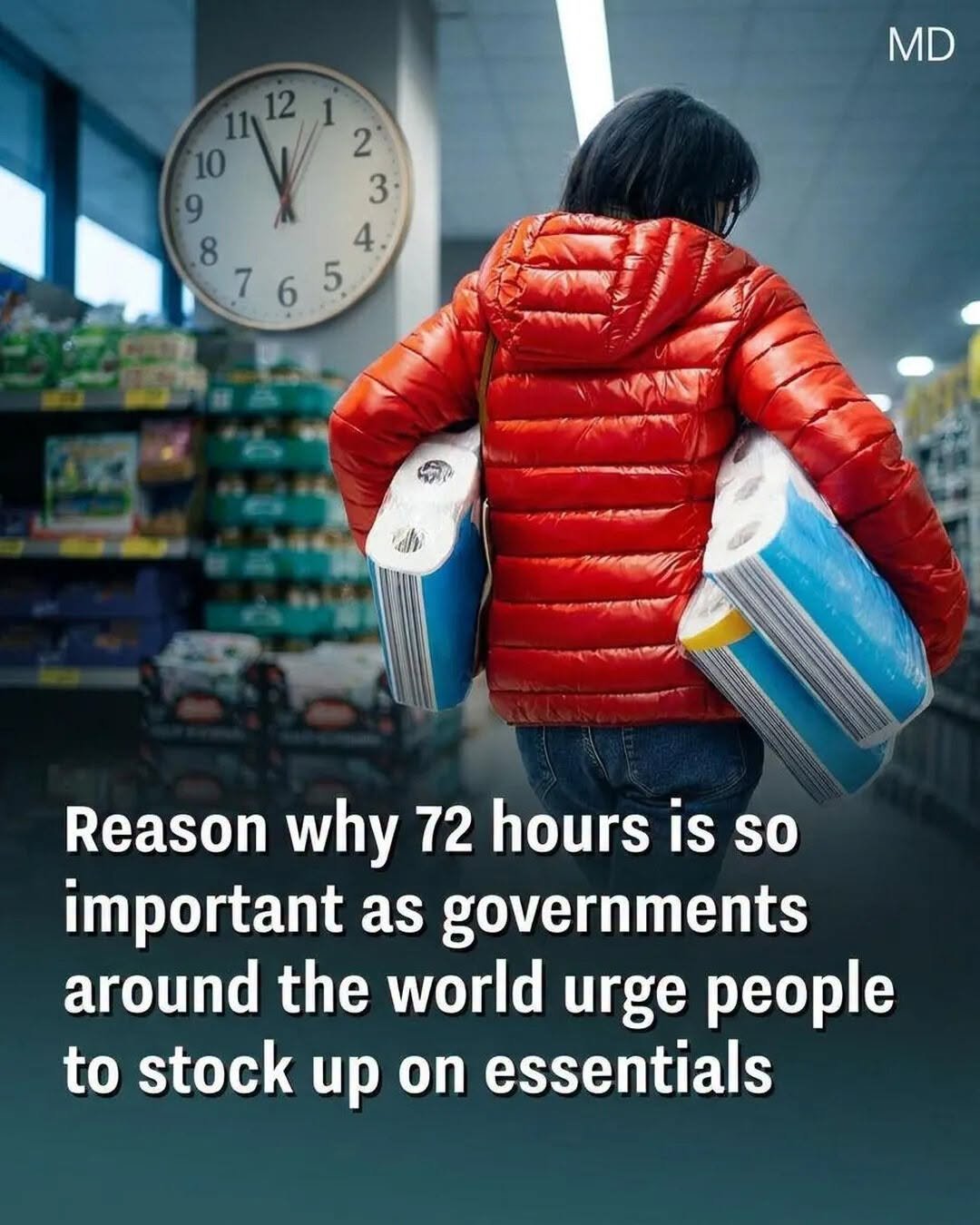
Imagine waking up to find the electricity gone, the water supply not working, nearby shops unable to open, your phone battery running low and roads blocked, with nobody able to say when normal services will return. For families used to having food, clean water and emergency help close at hand, even a single day of disruption can become difficult. That is why authorities in several countries are now urging households to keep enough essential supplies to last at least 72 hours. In October 2026 the United Kingdom renewed its emergency preparedness guidance, joining other European nations that have long promoted household readiness, amid concerns about severe storms, flooding, infrastructure failures and cyberattacks — though officials stress this is not a warning that a major catastrophe is about to happen.
Different countries give different advice based on their own circumstances. France encourages households to keep supplies for approximately three days, while Germany has traditionally recommended preparing for longer disruptions, including a ten-day supply of essentials, and Scandinavian countries have promoted household preparedness for years. Disaster planning specialist Professor Lucy Easthope has pointed to how some nations have built stronger traditions of preparing residents for the unexpected, while British officials note that even ordinary events like extended power cuts or severe weather can interrupt daily life. The British Red Cross recommends keeping drinking water, ready-to-eat food, necessary medications, flashlights, batteries and reliable communication equipment within reach, and considering children, older relatives and pets when preparing.
The most important reason for the 72-hour figure has less to do with what causes an emergency and more to do with what happens immediately afterwards. During the first three days of a major emergency, responders may need to focus on rescues, urgent medical treatment, damaged infrastructure and people facing immediate danger, which means help and restored services may not reach every household at once. Supplies at home let families manage that gap while emergency teams handle the most critical needs. In the United States, the Federal Emergency Management Agency recommends at least three days of nonperishable food and one gallon of water per person per day, with larger reserves where practical, alongside reviewing home insurance, protecting important documents and keeping emergency savings where possible.
The 72-hour recommendation is therefore a practical starting point, not a promise that every emergency will end within three days, and some disasters — particularly in isolated communities or areas vulnerable to severe weather — may demand longer preparation. Officials suggest keeping a flashlight, portable radio, power bank, first-aid supplies, necessary medications, bottled water and food that needs no refrigeration or cooking, plus a way for family members to contact one another and knowledge of where to find official updates. The United Kingdom’s October 22, 2026 campaign specifically encourages manageable steps rather than panic buying. The real purpose of those 72 hours is simple: to help households stay safer and more self-sufficient while emergency services work to restore normal conditions.