The Charger Warning Signs You Should Never Ignore
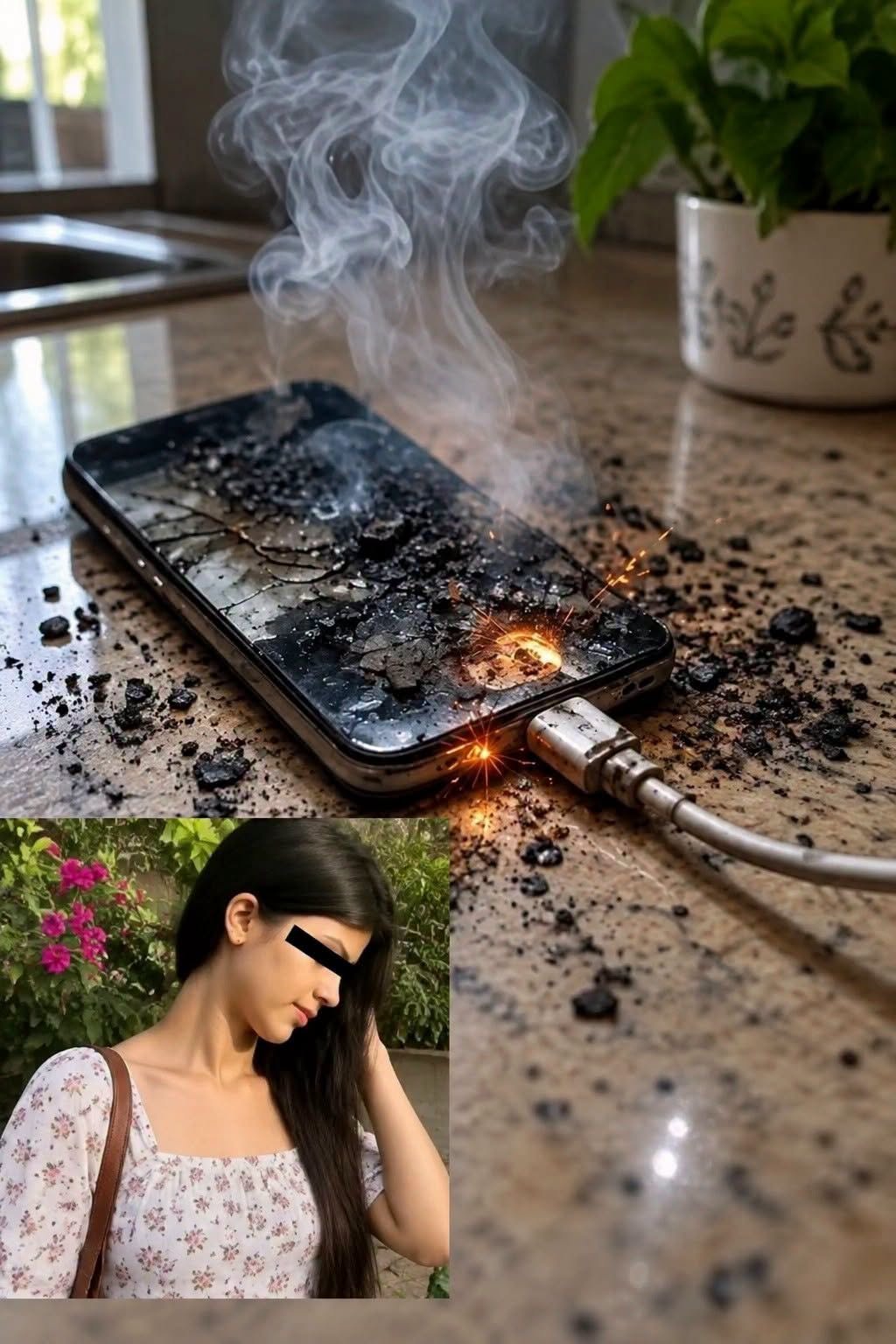
It starts with a quiet hum and a glowing screen—then suddenly, everything can go wrong. Most people never suspect their everyday chargers until they smell burning plastic, see smoke, or feel scorching heat under a pillow. One cheap cable, one overloaded strip, one forgotten plug can turn a bedroom into a fire scene.
Most charging disasters begin with small, ignored warnings: a cable that only works at a certain angle, a charger that feels hotter each night, a power strip groaning under too many plugs. Low-quality or damaged equipment doesn’t just fail—it can overheat, spark, and ignite nearby fabrics, especially when buried under blankets or wedged behind furniture with poor airflow.
The danger is easy to underestimate because charging has become such a normal part of everyday life. A phone sits beside the bed overnight. A laptop remains plugged in while someone sleeps. A tablet charges on a couch beneath a blanket. Because nothing seems unusual, people often stop noticing the equipment itself—until something changes.
Pay attention to heat. Chargers and electronic devices can become warm during normal use, but excessive or rapidly increasing heat deserves attention. Discoloration, melted plastic, exposed wires, crackling sounds, buzzing, a burning odor, or loose plugs are also warning signs that shouldn’t be ignored. A charger that repeatedly disconnects or works only when its cable is bent may also be damaged.
Where you charge a device matters, too. Hard, stable surfaces allow heat to dissipate more effectively than beds, sofas, blankets, or piles of clothing. Keeping charging equipment away from curtains, bedding, paper, and other easily ignited materials adds another simple layer of protection.
The power source deserves just as much attention. Avoid plugging too many high-power devices into one outlet or power strip, and don’t connect power strips or extension cords in a chain. Make sure plugs fit securely and that outlets, adapters, and cables aren’t visibly damaged. When buying replacement equipment, choose products from reputable manufacturers and look for the appropriate safety certification for your country.
And if something suddenly smells like burning, begins smoking, sparks, or becomes dangerously hot, don’t keep using it just to finish charging your device. If it is safe to do so, disconnect the power without touching damaged components, and move away from the area if there is smoke or fire. For an actual electrical fire, use the appropriate emergency response rather than attempting to handle the situation yourself.
The most important lesson is simple: don’t wait for smoke before taking a charger seriously. A frayed cable, unusually hot adapter, overloaded power strip, or charger buried beneath a pillow can provide the warning long before a serious incident occurs.
A few seconds of inspection can make a difference. Keep charging devices ventilated, replace damaged equipment, avoid overloaded outlets, and never treat unusual heat, smells, sparks, or buzzing as normal. The safest charger is the one you notice is becoming unsafe before it becomes an emergency.