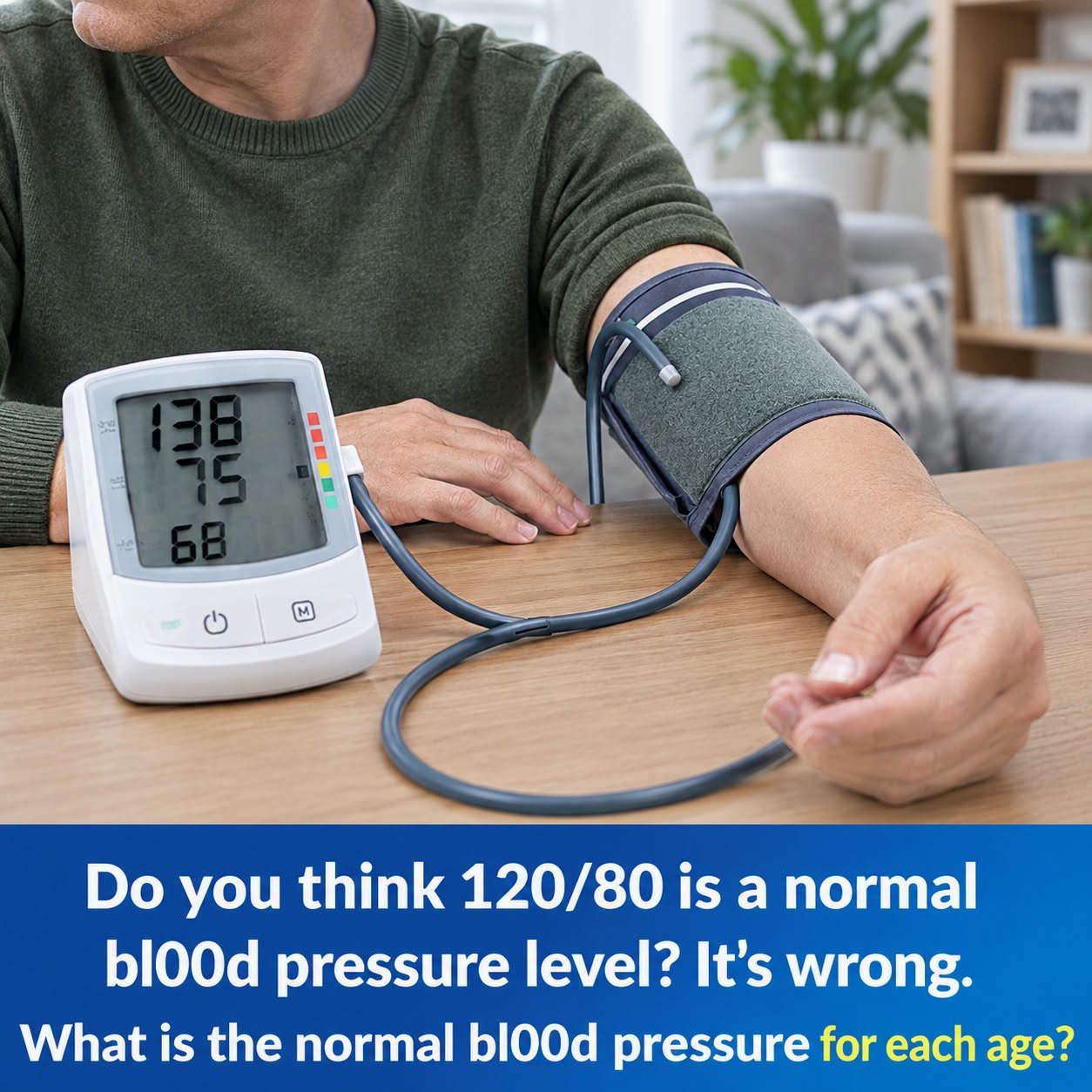
The important truth is that blood pressure is not a number you should simply accept because you have reached a certain birthday. The old idea that “100 plus your age” automatically makes a higher reading acceptable has no place in modern blood-pressure care. Current U.S. guidelines define normal blood pressure as below 120/80 and recommend an overall treatment goal below 130/80 for most adults, while recognizing that individual circumstances can change the appropriate approach.
But there is another important detail: lower is not automatically better for everyone, and you should not try to force your blood pressure down on your own. The SPRINT trial found that an intensive systolic target below 120 mm Hg reduced cardiovascular events and overall mortality in selected adults at elevated cardiovascular risk. About 28% of participants were 75 or older, and a separate analysis of those older adults also found fewer cardiovascular events and deaths with intensive treatment. At the same time, intensive treatment increased certain problems, including low blood pressure, electrolyte abnormalities, and acute kidney injury.
That is why the real lesson isn’t “everyone needs a blood pressure under 120.” The lesson is that age alone should not be used as an excuse to ignore consistently elevated readings. Your doctor may consider your other health conditions, medications, cardiovascular risk, kidney function, symptoms, and how accurately your blood pressure is being measured before deciding what target is appropriate.
And measurement matters more than many people realize. A single high reading does not necessarily diagnose hypertension. Rest quietly before measuring, use a properly sized upper-arm cuff, keep your arm supported, and take repeated readings rather than relying on one number. Home monitoring can provide useful information for you and your healthcare professional. Current guidelines specifically emphasize standardized measurement and home blood-pressure monitoring.
Lifestyle changes can also make a meaningful difference. Maintaining a healthy weight, following a heart-healthy eating pattern such as DASH, reducing sodium, getting regular physical activity, managing stress, and limiting alcohol are all recommended approaches for preventing or treating high blood pressure.
So if someone tells you, “140/90 is normal because you’re older,” don’t simply dismiss a persistent reading. Have it measured correctly, track it over time, and discuss the results with a healthcare professional.
Because blood pressure doesn’t become harmless with age.
Your age may change the treatment plan—but it doesn’t erase the risk.