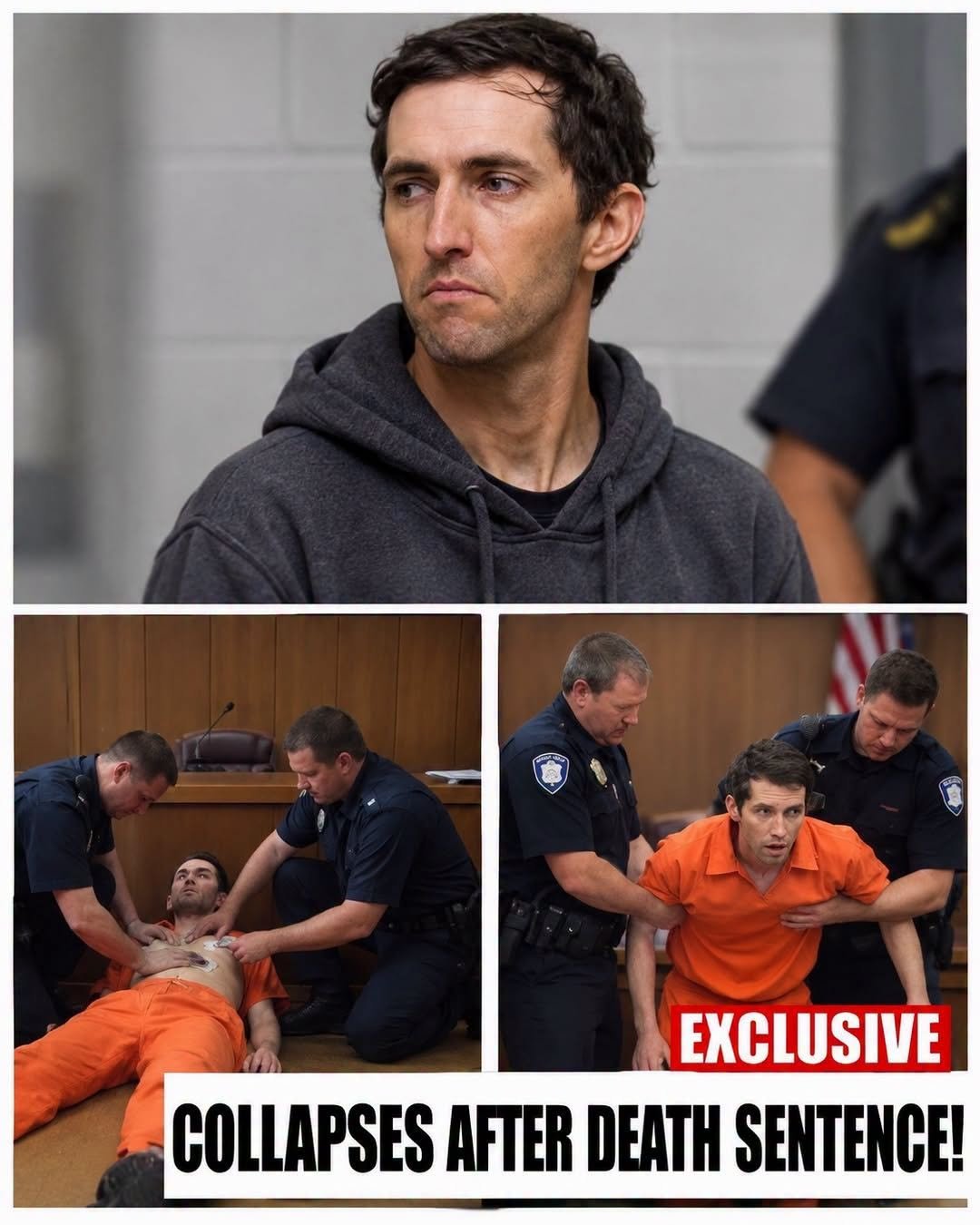
The courtroom went silent when the words “death penalty” entered the proceedings. But despite the intensity surrounding the case, no death sentence has been imposed. The trial involving Tyler Robinson, who is accused of killing conservative activist Charlie Kirk at Utah Valley University in September 2025, has not yet reached that stage. Robinson has pleaded not guilty, and a Utah judge ruled in September 2026 that prosecutors may proceed with aggravated-murder charges carrying the possibility of capital punishment if he is ultimately convicted.
The decision followed a closely watched preliminary hearing in which prosecutors presented evidence they say connects Robinson to the shooting, including DNA evidence, surveillance material, a handwritten note and other alleged statements. Prosecutors argue that firing from a rooftop toward an outdoor gathering of thousands created a grave risk to other people, an aggravating circumstance relevant to Utah’s capital-murder law. Defense attorneys have challenged the prosecution’s evidence and argued against allowing the death penalty.
Outside the courtroom, the case has become part of a much larger national conversation about political violence, public-event security and capital punishment. An independent review released in September also identified significant security failures at Utah Valley University surrounding the event where Kirk was killed, including inadequate formal planning and problems with emergency alerts. The university has said it is implementing reforms based on the report.
For Kirk’s family, the legal proceedings remain intertwined with an irreversible personal loss. For the defense, the coming proceedings will provide an opportunity to challenge the allegations and evidence before a jury. And for the court, the central question remains one of law rather than public emotion: whether prosecutors can prove every element of the charges beyond a reasonable doubt.
The case is therefore far from over. Appeals, evidentiary disputes, courtroom testimony and the eventual jury verdict still lie ahead. If prosecutors secure a conviction on the capital charge, a separate sentencing phase would determine whether the legal requirements for a death sentence have been satisfied.
Until then, the most consequential moment has yet to arrive. The courtroom has heard the possibility of the ultimate punishment—but the final judgment has not been written.