The Test You Fear Might Be the One That Protects Your Life
The fear hits before the facts do. The word alone can make your stomach drop, your mind race, and your instinct say, “Not me.” You picture pain, humiliation, and worst-case scenarios. But what if the test you’re avoiding is the one thing standing between you and a silent, growing danger you can’t feel, can’t see, and won’t notice until it’s far too late?
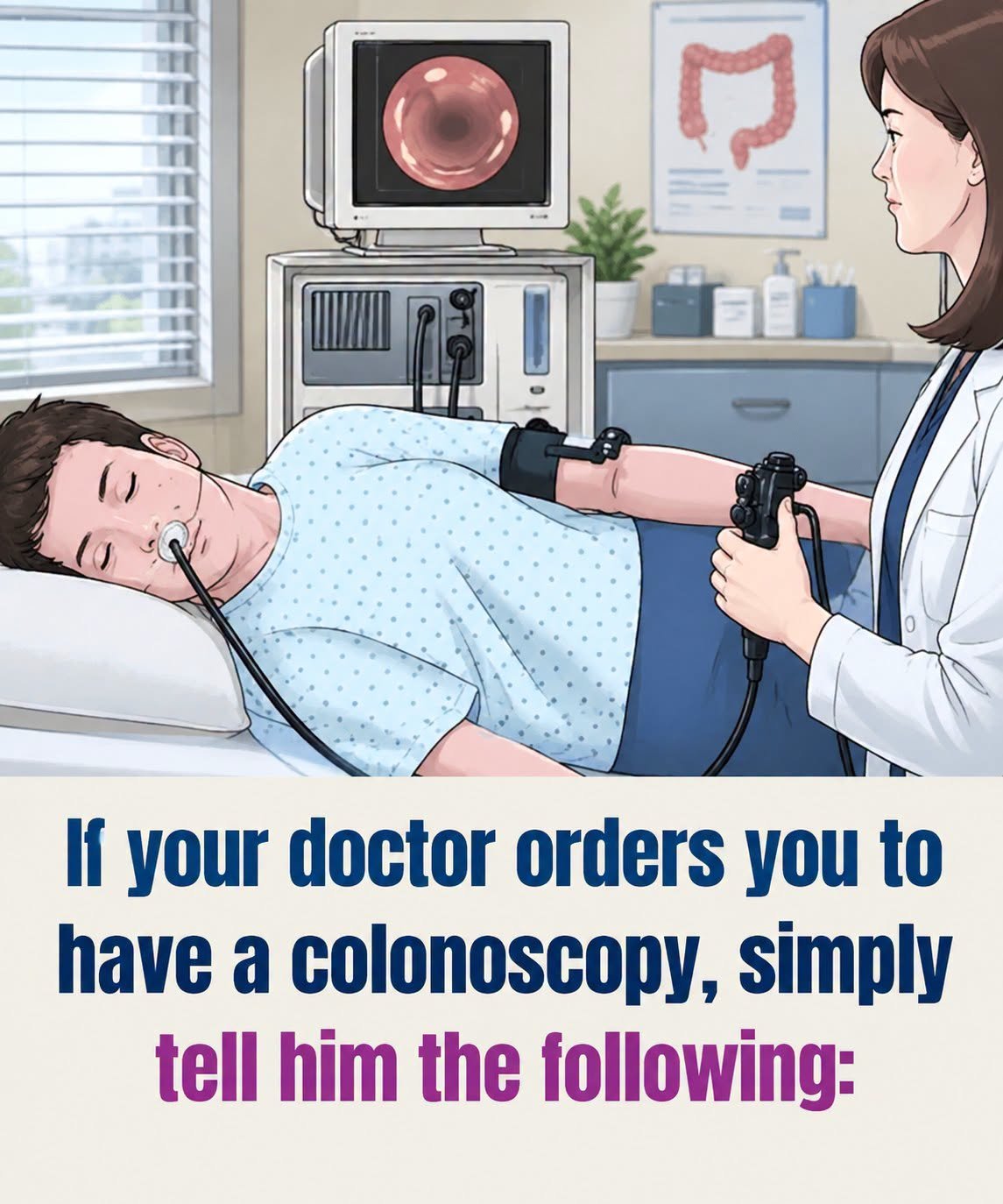
We imagine a colonoscopy as a punishment, when in truth, it’s a form of protection. While you worry about embarrassment, doctors are looking for something much more important: abnormal growths and cancers that can develop without obvious warning signs. A colonoscopy allows doctors to examine the lining of the colon and, when appropriate, remove certain polyps during the same procedure—potentially preventing some cancers from developing in the first place.
For many people, the procedure itself is not the frightening experience they imagined. Sedation is commonly used, and patients may remember little or nothing about the examination. The preparation beforehand—especially the bowel-cleansing process—is often the part people find most unpleasant.
But there is another side to the story: waiting.
Colorectal cancer can develop gradually, sometimes beginning with a small polyp that causes no symptoms at all. Over time, some polyps can become cancerous. That is why screening exists—not because doctors expect something to be wrong, but because finding problems early can make a meaningful difference.
Screening recommendations depend on factors such as age, personal medical history, family history, and other risk factors. People with symptoms such as persistent changes in bowel habits, blood in the stool, unexplained weight loss, or ongoing abdominal discomfort may need medical evaluation regardless of their screening schedule.
And a colonoscopy isn’t the only screening option. Depending on your situation, a healthcare professional may discuss stool-based tests or other screening methods. The important thing is not to let embarrassment or fear prevent you from having the conversation.
Ask what the preparation involves. Ask about sedation. Ask how long recovery takes. Ask whether another screening method is appropriate for you.
Fear becomes smaller when the unknown becomes familiar.
A few hours of preparation and examination can feel insignificant compared with the years of life you hope to protect. The goal isn’t to endure something frightening. The goal is to find potential problems early—or, ideally, to discover that everything is clear.
Sometimes taking care of yourself means doing the thing you would rather avoid.
If your doctor has recommended colorectal cancer screening, don’t ignore the recommendation simply because the word “colonoscopy” makes you uncomfortable. Talk to your healthcare professional, understand your options, and make an informed decision about your health.
Because the most important part of screening isn’t the procedure.
It’s what it may help you prevent.