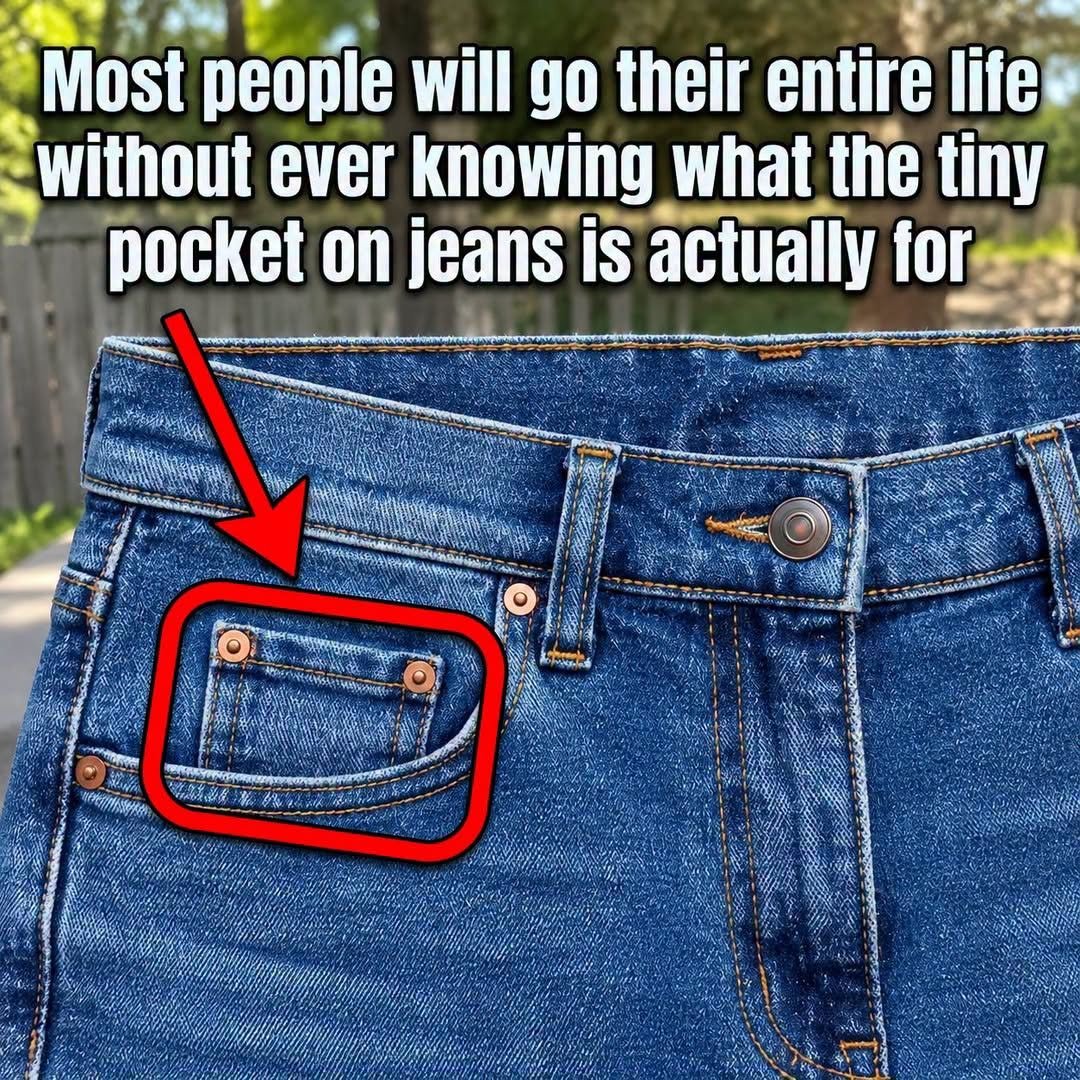
The Tiny Metal Studs on Your Jeans Have a Surprisingly Tough History
Most people never question the tiny metal studs on their jeans—until they rip a favorite pair. Those “decorations” were born from desperation, sweat, and torn fabric in brutal 19th-century work camps. A frustrated tailor, furious miners, and a risky partnership changed clothing forever.
Those small metal studs on your pockets are not random style choices; they are the legacy of workers whose clothes failed them when they needed them most. In the late 1800s, miners and railroad laborers kept ripping their pants at the seams, especially around pockets strained by tools and constant motion. A tailor named Jacob Davis grew tired of repairing the same weak spots over and over.
Instead of accepting failure as inevitable, he tried something radical: reinforcing stress points with metal fasteners. By placing rivets at the corners of pockets and key seams, he stopped tears before they started. Partnering with Levi Strauss, he patented the idea, and riveted jeans soon became synonymous with toughness. Copper and brass rivets spread tension through the fabric and resisted rust, surviving years of wear.
The idea was simple, but its impact was enormous. Work trousers that once needed constant repairs could now withstand digging, climbing, lifting, and long hours of physical labor. What began as a practical solution quickly became one of the defining features of American workwear.
As denim became more popular, the rivets became part of the visual identity of jeans themselves. Eventually, people began wearing riveted denim even when they weren’t working in mines, factories, or on railroads. The rugged clothing that had been designed for laborers slowly became everyday fashion.
Over time, manufacturers changed some of the details. Certain rivets disappeared from places where they could scratch furniture or become uncomfortable, while others remained as familiar accents on pockets. Modern jeans may be designed more for fashion than hard labor, but the basic idea behind those little metal dots has survived.
So the next time you slide your hand into a jeans pocket and feel that small metal rivet, remember that it isn’t there simply to look good. It represents a problem that workers faced more than a century ago—and a surprisingly simple invention that solved it.
Sometimes, the most ordinary details in our clothes have the most extraordinary stories behind them.