
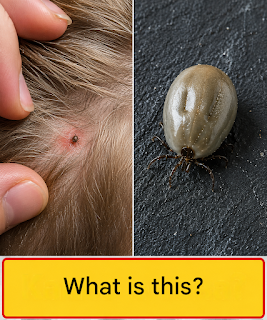
I found this insect in my child’s hair… Do you know what it is?
Finding a tick on a child’s head is an unpleasant moment that can scare any parent. However, in such a situation, the most important thing is to stay calm and act correctly. In most cases, a tick bite does not lead to serious health problems , especially if the parasite is removed in time and the site is carefully monitored.
What should you do right now?
The first and most important step is to safely remove the tick.
Use fine tweezers to carefully grasp the tick as close to the skin as possible. Then pull it slowly and evenly upwards, without jerking.
Do not twist, squeeze, or crush the tick, as this can increase the risk of infected fluids entering the bite site.
Once removed, clean the skin thoroughly with soap and water or use an appropriate antiseptic.
Some experts recommend placing the tick in a small sealed container or envelope in case it needs to be identified later.

What to watch for next?
After removal, the observation period begins.
In the coming days and weeks, watch carefully for any of the following symptoms:
- fever;
- unusual tiredness;
- redness or a spreading rash around the bite site;
- headache;
- joint or muscle pain;
- unusual drowsiness;
- changes in behavior or general condition.
It is important to know that some tick-borne diseases can manifest themselves days or even weeks after the bite. The first signs often resemble a simple viral infection, so careful observation is especially important.
When should you see a doctor?
Consultation with a medical professional is recommended if:
- the tick has been on the skin for a long time;
- you are unable to remove it completely;
- redness appeared, which gradually expanded;
- the child develops a fever or other unusual symptoms;
- the area starts to swell, hurts badly or oozes discharge.
The doctor will assess the risk based on the area where the bite occurred, the type of tick (if it can be identified), and the clinical symptoms. Additional tests or treatment may be ordered if necessary.
How to reduce the risk of future bites?
Prevention is the best approach.
After walks in parks, forests, tall grass or places with a lot of vegetation:
- carefully examine the child’s entire body and scalp;
- check the area behind the ears, neck, armpits, groin and behind the knees;
- use light-colored clothing, on which ticks are more easily spotted;
- wear long-sleeved clothing and long pants when walking in nature;
- use repellents appropriate for the child’s age;
- After returning home, wash your clothes and take a shower if possible.
It is useful to know
Not every tick carries disease, and most bites are harmless. However, prompt response, proper removal, and monitoring over the following weeks significantly reduce the risk of problems.
Calm and informed actions are the best way to protect your child’s health and avoid unnecessary panic.
This article is for informational purposes only. Do not self-medicate and always consult a qualified medical professional before applying any information from the text. The editorial team does not guarantee results and is not responsible for any damages resulting from its use.
Information about the use of AI: Artificial intelligence tools were used in the preparation and editing of this publication to improve the structure, linguistic clarity, and presentation of the content.