
Today, disposable diapers are considered one of the most common and convenient products for parents around the world. Millions of babies use them every day, and changing a diaper has become a quick and simple task. But before brands like Pampers changed the way families cared for their babies, generations of parents relied on something much more traditional: cloth diapers.
For many families, especially throughout the late 19th and early 20th centuries, cloth diapers were not an alternative choice or a lifestyle trend. They were simply the normal way babies were cared for. Parents folded pieces of cotton fabric, secured them with safety pins, covered them with waterproof pants, and washed them repeatedly for the next use.
Remembering cloth diapers is not just about remembering an old baby product. It is about remembering a completely different period of family life—one where baby care required more time, more patience, and a lot more daily work.
What Were Cloth Diapers?
Before disposable diapers became widely available, most babies wore reusable cloth diapers made from absorbent materials such as cotton.
There were several common types:
Flat Cloth Diapers
Flat diapers were simple square or rectangular pieces of fabric. Parents had to fold them into the right shape depending on the baby’s size and needs.
They were affordable, easy to wash, and could be reused for years, but they required skill and time to fold correctly.
Prefold Diapers
Later, prefold diapers became more popular. These diapers had extra layers of fabric sewn into the center section, making them more absorbent and easier to fold.
Although they were more convenient than simple flat cloths, they still required waterproof covers and regular washing.
When Were Cloth Diapers Used?
Cloth diapers were widely used in American homes from the late 1800s through much of the 1900s.
For parents and grandparents who raised children before the rise of disposable diapers, cloth diapers were simply part of everyday life. They were not considered old-fashioned or inconvenient—they were the only practical option available for most families.
Before modern disposable products entered homes, parents developed routines around washing, drying, and preparing diapers for future use.
The Daily Reality of Using Cloth Diapers
Using cloth diapers required much more effort than modern disposable options.
After a diaper became dirty, parents had to:
- Remove the diaper carefully.
- Rinse or soak it.
- Wash it thoroughly.
- Dry it completely.
- Fold it and prepare it for the next use.
Many homes had special diaper pails where dirty diapers were stored before washing. Some families washed diapers by hand, while others used washing machines as they became more common.
For many mothers, diaper washing became a regular part of the daily household routine.
In some communities, families even used diaper services. These companies delivered clean cloth diapers and collected used ones for professional washing and sanitizing.
The Famous Diaper Pins and Rubber Pants
Anyone who remembers traditional cloth diapers probably remembers one important detail: diaper pins.
Parents had to carefully fold the fabric, hold it in place, and secure it with safety pins without accidentally hurting the baby.
After that, waterproof rubber or plastic pants were placed over the diaper to help prevent leaks.
This process required patience and practice. A diaper that was folded incorrectly could easily become uncomfortable for the baby or create extra cleaning work for parents.
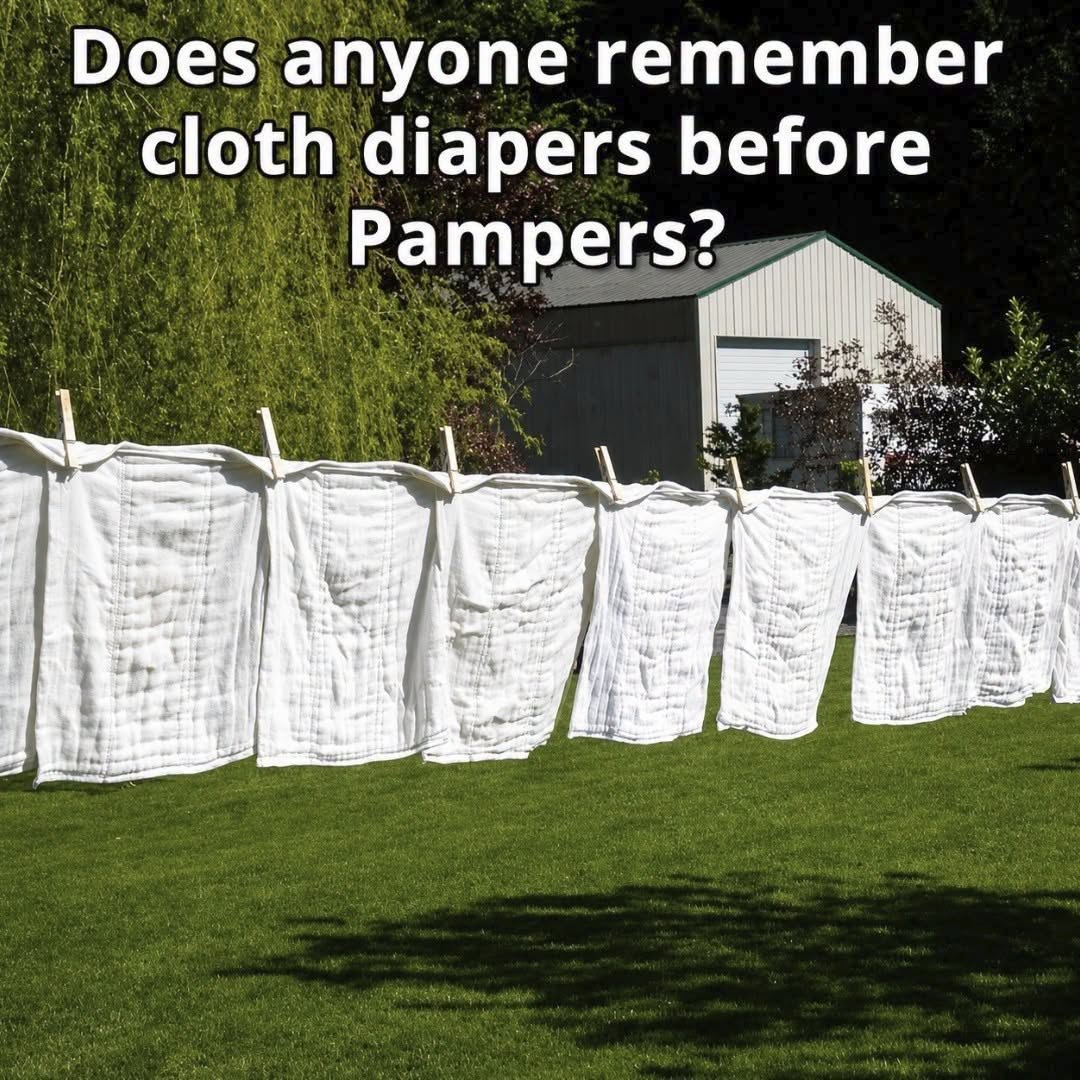
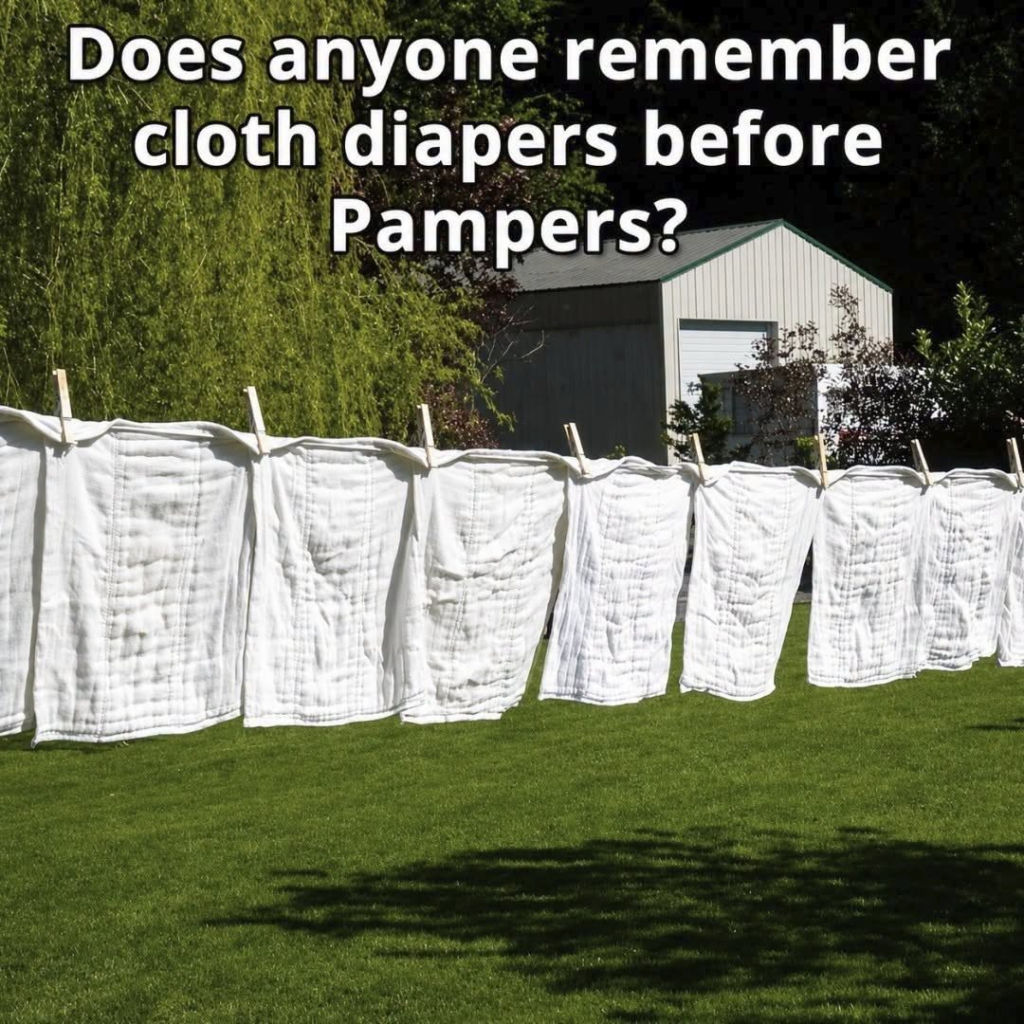
Many people who grew up during this era remember the smell of freshly washed cotton diapers, the sight of diapers hanging on outdoor clotheslines, and the constant effort involved in keeping babies clean and comfortable.
The Beginning of Change
During the 20th century, many inventors began searching for easier solutions to make baby care more convenient.
One important development came in the 1940s when Marion Donovan created a waterproof diaper cover known as the “Boater.” Her invention helped reduce leaks and improved comfort compared with traditional rubber pants.
Although it was not yet a complete disposable diaper, it represented an important step toward modern diaper technology.
The Arrival of Pampers
The biggest transformation in baby care came in 1961 when Pampers disposable diapers entered the market.
Developed through the work of Procter & Gamble, Pampers introduced a completely new idea for parents: a diaper that could simply be used and thrown away.
For many families, this was revolutionary.
Disposable diapers meant:
- Less laundry.
- No need for diaper pins.
- Faster changes.
- More convenience for busy parents.
During the 1960s and 1970s, disposable diapers gradually became more popular in American households.
As technology improved, disposable diapers became thinner, more absorbent, and easier to use.
Why Did Some Families Continue Using Cloth Diapers?
Even after disposable diapers became common, cloth diapers never completely disappeared.
Some families continued using them for several reasons:
Saving Money
Reusable diapers could be washed many times, making them cheaper over the long term compared with buying disposable diapers constantly.
Reducing Waste
Environmental concerns encouraged some parents to choose cloth diapers because they create less daily waste.
Family Tradition
Some parents preferred cloth diapers because they remembered using them themselves or because they appreciated traditional methods of baby care.
The Modern Return of Cloth Diapers
In recent years, cloth diapers have experienced a comeback.
However, today’s cloth diapers are very different from the old versions.
Modern cloth diapers often include:
- Adjustable snaps instead of safety pins.
- Waterproof outer layers.
- Soft absorbent inserts.
- Comfortable designs.
- Easier washing systems.
These improvements have made reusable diapers much easier for modern parents compared with the traditional cotton squares used decades ago.
A Symbol of Changing Family Life
For many Americans, remembering cloth diapers before Pampers is about much more than remembering a baby product.
It represents a time when daily life moved at a slower pace. Parents spent more time washing, folding, and preparing items by hand.
Cloth diapers remind people of:
- Clotheslines full of freshly washed fabric.
- Laundry routines that required dedication.
- Parents who worked hard to care for their children.
- A more hands-on approach to everyday family life.
How Baby Care Has Changed
The difference between old cloth diapers and modern disposable diapers shows how much parenting has evolved.
A task that once required washing, soaking, folding, and careful preparation can now be completed in just a few seconds.
Modern products have saved parents countless hours and made childcare easier, especially for families balancing work and home responsibilities.
However, the memories associated with cloth diapers remain meaningful for many people because they represent care, effort, and the dedication of previous generations.
Final Thoughts
Cloth diapers before Pampers were a normal part of childhood for millions of families. They were simple, reusable, and practical, but they also required patience and constant work.
The arrival of disposable diapers changed parenting forever by offering speed and convenience. Yet cloth diapers continue to hold a special place in history because they represent a different era of family life.
For those who remember them, cloth diapers are not just pieces of fabric—they are memories of hard work, traditional parenting, and the everyday love that shaped generations of families.