
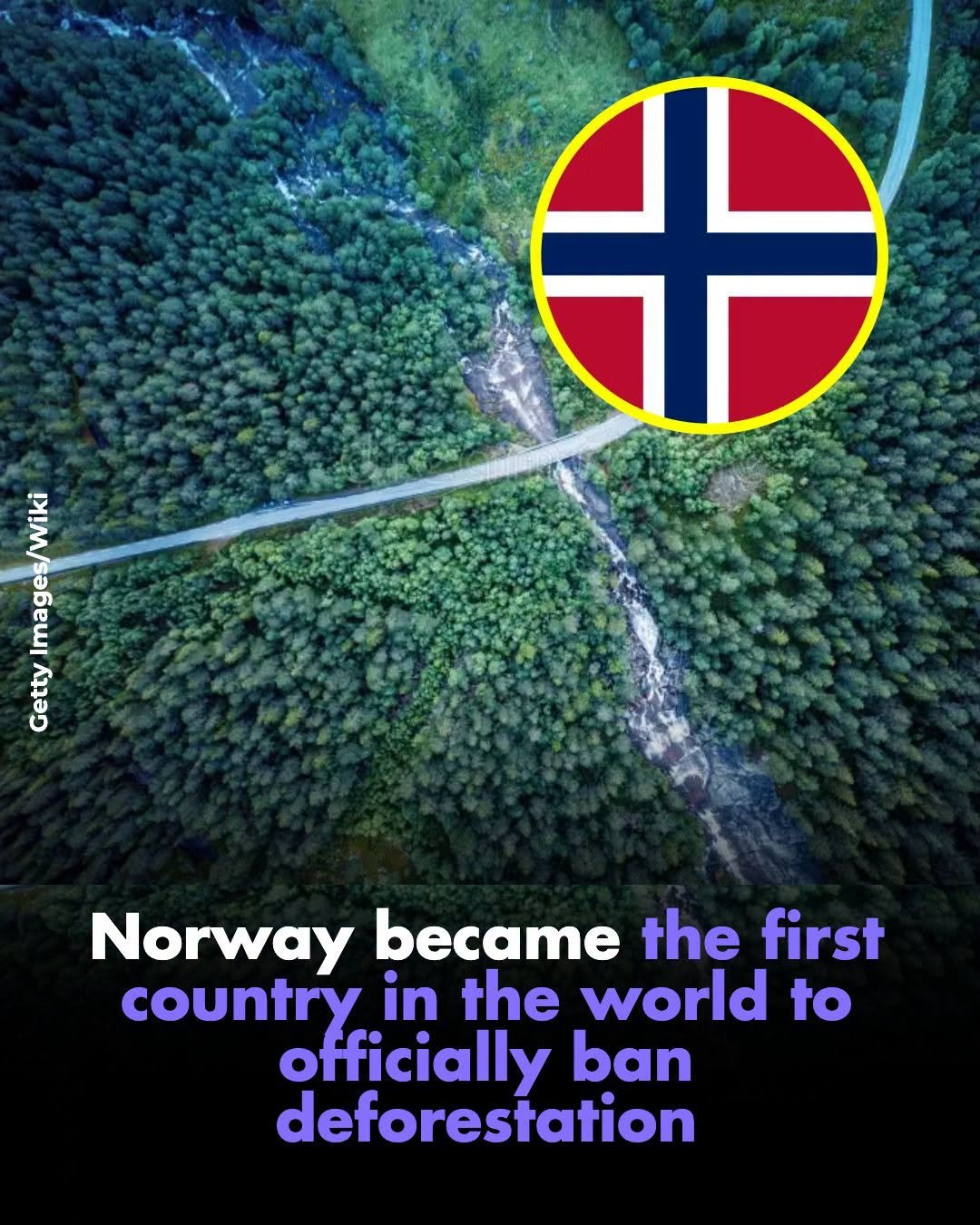
Norway has done something no country had ever done before — at least, that is how the story was told when it broke. In late May 2016, Norway became the first nation in the world to commit to ending deforestation, a decision that made headlines around the globe. But the headline needs a careful reading, because what Norway actually did was more specific — and in some ways more interesting — than a simple ban on cutting down trees. The commitment works through the government’s own buying power: through its public procurement policies, the Norwegian state pledged to avoid any product in its supply chain that contributes to destroying forests.
That distinction matters. The policy does not outlaw logging across Norway, nor does it ban deforestation everywhere overnight. Instead, it turns the government itself into a forest-friendly customer: if a product’s production helped destroy forests, the Norwegian state would not buy it. The products in question are familiar ones — palm oil, soy, beef and timber — and according to figures cited from UN Climate Action, production of these goods in seven countries, including Brazil, Argentina and Indonesia, was behind 40 percent of tropical forest clearing. By cutting such products out of public purchasing, Norway aimed to hit deforestation where it hurts: in the market.
The decision did not come out of nowhere. Norway had already put serious money behind forest protection years earlier: in 2008, it donated a billion dollars to Brazil to help combat deforestation there. The 2016 procurement commitment was the next step in that same direction — using the state’s wallet, rather than only its words, to protect rainforests thousands of miles from Norwegian soil. Nils Hermann Ranum of the Norwegian Rainforest Foundation welcomed the move, calling it a crucial victory in the fight to protect the tropical rainforest.
It is also worth being honest about the timeline. This story dates to 2016, even though the page carrying it now shows a 2026 date — it is a republication, not a new announcement. What remains true is the idea at its heart: a government deciding that its own purchases should not fund the destruction of forests, and a small country showing how public money can be used as a tool for conservation. Whether other nations followed Norway’s example is a bigger question — but as a first step, taken through procurement rather than prohibition, it was genuinely unprecedented.