Yellow Ladybugs: What Their Color Really Means and Whether You Should Worry
Have you ever spotted a bright yellow ladybug crawling across a leaf, resting on a windowsill, or flying around your garden? At first glance, it might look unusual enough to make you wonder whether it is dangerous. Some people associate yellow ladybugs with poisonous insects, while others believe they bring good luck. But the truth behind these colorful little creatures is far more interesting.
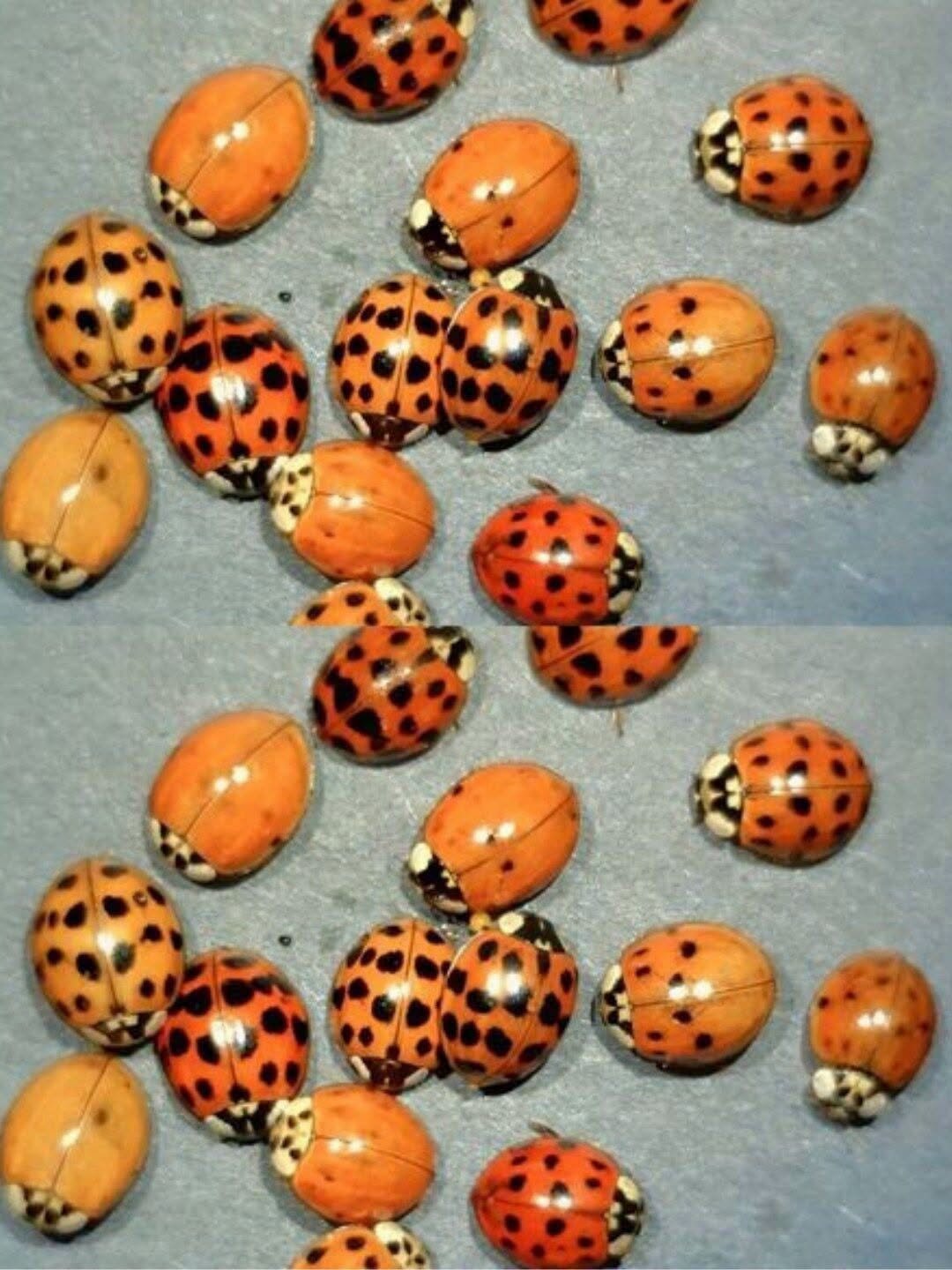
Yellow ladybugs are not necessarily a rare or separate kind of insect. Lady beetles come in a wide variety of colors, including yellow, orange, red, brown, and black. Their appearance depends on the species, and the color alone cannot tell you whether an insect is harmful or beneficial.
Why Are Some Ladybugs Yellow?
The natural world contains many different species of lady beetles, and their colors and markings can vary considerably. Some have bright yellow wings with black spots, while others have pale bodies with little or no visible spotting.
These colors are part of their natural appearance and can help distinguish one species from another. However, identifying a ladybug correctly requires looking at more than its color, including its shape, markings, and other physical characteristics.
Are Yellow Ladybugs Dangerous?
The good news is that most yellow ladybugs pose little risk to humans. Many species are beneficial predators that feed on aphids and other small insects that damage garden plants. By helping control these pests naturally, they can support healthier gardens without requiring chemical pesticides.
However, not every yellow beetle is a helpful predator. Some beetles that resemble ladybugs feed on plant material or fungi. One example is the twenty-spotted lady beetle, which feeds primarily on mildew growing on plants.
This is why it is important not to assume that every yellow, spotted insect has the same behavior.
Why Do Yellow Ladybugs Enter Homes?
Have you ever noticed small beetles gathering around your windows or walls as the weather becomes colder?
Certain lady beetles, particularly multicolored Asian lady beetles, seek sheltered places to spend the winter. They may enter buildings through tiny gaps around windows, doors, rooflines, and vents.
Although these insects do not eat wood or damage the structure of a house, large numbers can become a nuisance. They may gather near sunny windows, crawl along walls, and release an unpleasant odor when disturbed.
Some species can also leave yellowish stains on surfaces when they release a defensive fluid.
What Should You Do If You Find One Indoors?
If you discover a yellow ladybug inside your home, there is usually no reason to panic. The simplest solution is to remove it gently rather than crushing it.
You can carefully capture the insect in a cup and release it outdoors, provided conditions are suitable. A vacuum can also help remove larger groups, although an emptyable container or suitable filter is preferable to avoid lingering odors.
To prevent future visitors, inspect your windows and doors for gaps, repair damaged screens, and seal openings around pipes, vents, and other entry points.
Can Yellow Ladybugs Bite?
Some lady beetles can occasionally pinch or bite human skin, especially when handled or trapped against the body. The sensation is usually mild and does not generally cause serious injury.
Rarely, people may experience irritation or allergic reactions after repeated exposure to large numbers of lady beetles. Pets may also experience irritation if they eat or mouth these insects, so it is sensible to discourage pets from swallowing them.
If a person or pet develops significant swelling, breathing difficulties, or other severe symptoms, seek appropriate medical or veterinary care.
Do Yellow Ladybugs Bring Good Luck?
In some cultures and traditions, ladybugs are considered symbols of good fortune, happiness, protection, and positive change. Their bright colors and association with gardens have made them popular symbols in folklore.
Yellow ladybugs sometimes receive similar interpretations, with people associating their color with sunshine, optimism, or fresh beginnings. These beliefs are cultural traditions, however, rather than scientifically established meanings.
From a scientific perspective, a yellow ladybug is simply an insect with its own natural characteristics and role in the environment.
The Bottom Line
Yellow ladybugs are usually harmless, and many species are beneficial to gardens. Their bright color does not automatically mean they are poisonous, dangerous, or unusually rare.
If you find one outside, it is generally best to leave it alone. If it enters your home, remove it gently and take steps to prevent more from coming inside.
The next time you see a yellow ladybug, remember this: its color may be unusual to you, but it is simply one of nature’s many variations. Understanding what the insect actually is will tell you far more than its color ever could.